 |
| http://www.missionofmermaids.com/category/general-news/ |
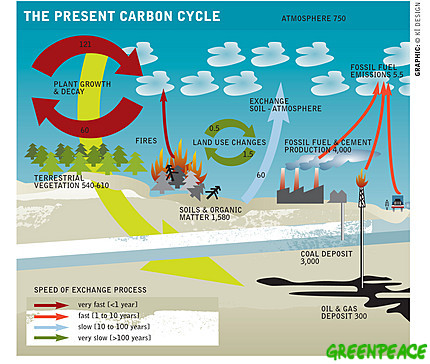
It is important to note that carbon management is the only strategy that has the opportunity of
addressing climate change, including ocean acidification.
The question now is : What can we do to reverse the current
trend of increasing carbon emission and/or ocean acidification and is too late
to save these pteropods? This is will be a difficult task since it is mentioned
in the IPCC report that greenhouse gases (including CO2) tend to
stay in the atmosphere for a relatively long period of time. Even though we may
not be able to totally reverse the current trend of ocean acidification, there
are some practices we can adopt that could at least mitigate the severity of
the problem:
As far as saving the Pteropods, the chances are looking
increasingly slim if swift and aggressive measures are not put in place to both
curb the current trend of CO2 emissions
and restore ocean pH back to pre-industrial level. An article in the Seattle
Times this week offers a very gloomy picture as far as being able to save the
pteropods in Antartic waters are concern.
Researchers have found that ocean acidification has stated causing the
dissolution of their shells way earlier than originally projected (http://seattletimes.com). This implies that
the effect of ocean acidification on pteropods (and probably on other
calcifying marine organisms) is a lot worse than we previously thought.
Although, such severity in the dissolution of pteropods’ shell haven’t been established
in the open ocean or in the Pacific Northwest, it is safe to assume that we are
under-estimating the severity of the impact of acidification in these waters as
well. I hope this is not one of those situations whereby it is too late to act
now? I sure hope not!

A few grammatical and spelling errors. review and read through this page out loud.
ReplyDeleteAgree with Abby, the information and point is there, it just needs a little cleaning up
ReplyDeleteThanks for the constructive criticism you guys. Appreciate y'all!!
ReplyDeleteStill a few grammer issues. I really like how you tell people what they as an individual can do, but also mention things that governments can do.
ReplyDelete